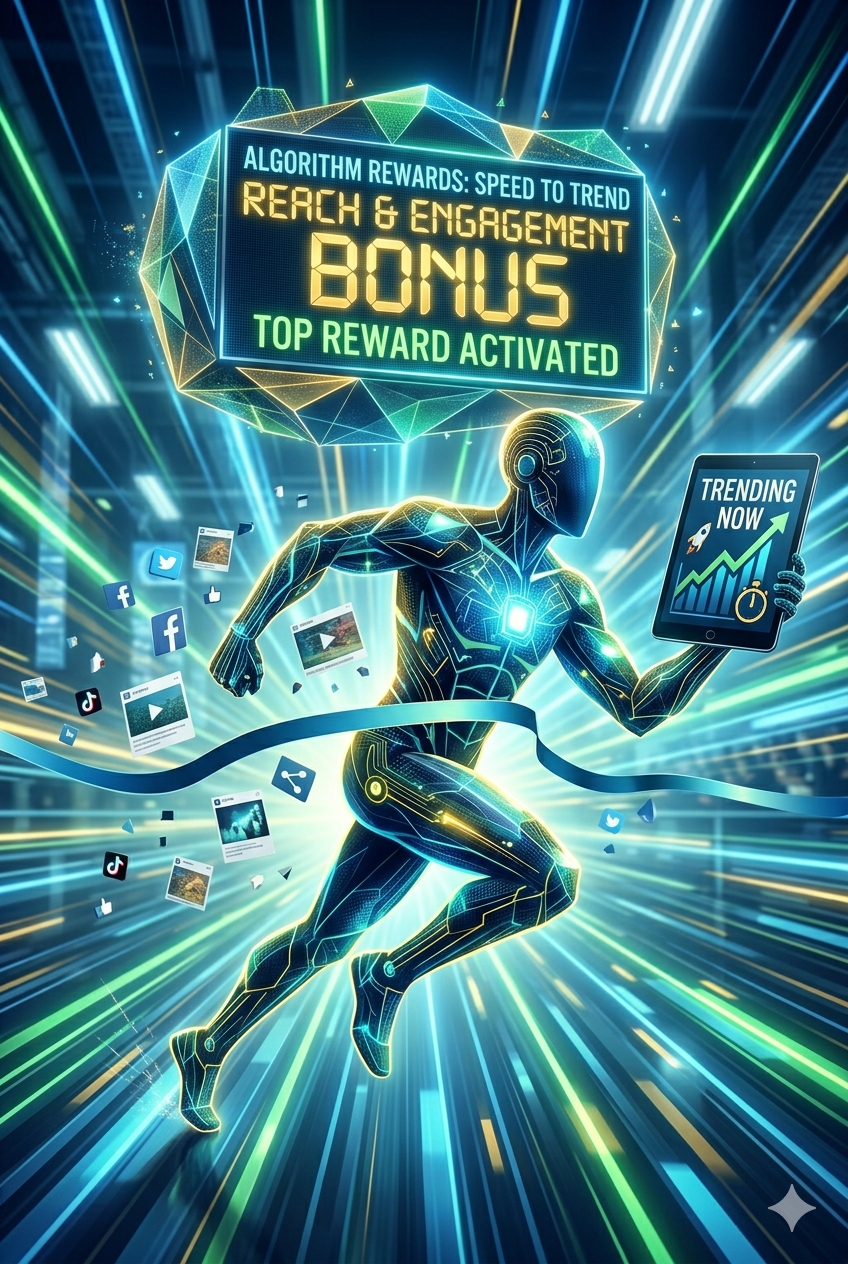
Timing Is Everything: Why Speed Matters in Modern Content Algorithms
In the current digital landscape, the phrase “content is king” has been superseded by a new reality: timing is everything.
Whether you are a brand, a journalist, or an independent creator, the algorithms governing TikTok, Instagram, X (Twitter), and even Google increasingly place importance on one specific factor: velocity.
If you are not reacting to a trend while it is still gaining momentum, you may miss the opportunity to capture the largest wave of attention. Here is why modern digital platforms place such importance on speed and how creators can capitalize on it.
1. The “Information Vacuum” and First-Mover Advantage
When a major news event occurs or a new meme goes viral, there can be a sudden spike in search queries, social conversations, and hashtag activity. For a brief window, demand for information can exceed the available supply.
Algorithms are designed to surface relevant and timely information to users. If you are among the first creators to publish useful, high-quality content about a trending topic, your content may have an opportunity to benefit from the increased attention surrounding that subject.
This first-mover advantage can be particularly valuable for smaller accounts because they can sometimes enter a trending conversation before the topic becomes saturated with content from larger publishers and creators.
2. The QDF Factor: Query Deserves Freshness
Google has historically used the concept of QDF (Query Deserves Freshness) to describe situations where fresh content can become more important for queries experiencing a sudden increase in interest.
For stable topics such as “how to boil an egg,” established and evergreen information can remain highly relevant. However, for rapidly developing topics such as breaking news, technology announcements, or live events, users often expect the latest information.
Reacting quickly to these topics can therefore give publishers an opportunity to compete for search visibility while interest is still high.
3. The Engagement Flywheel
Algorithms do not only evaluate what you publish. They also observe how audiences interact with content.
Trending topics often attract high-intent audiences — people who are actively searching for information, participating in discussions, sharing opinions, or looking for updates.
When you publish relevant content while interest in a topic is increasing, your initial engagement may benefit from the larger active audience surrounding that trend.
Strong early engagement can provide additional signals that your content is relevant to the people seeing it, potentially creating opportunities for broader distribution.
4. Shortened Content Life Cycles
A decade ago, a blog post or online discussion could remain relevant for weeks. Today, the lifecycle of a TikTok sound, meme, social-media controversy, or breaking-news topic can sometimes be measured in hours.
Platforms have adapted to an environment where trends can appear and disappear rapidly. This means creators need to recognize opportunities quickly rather than waiting until a trend has already reached its peak.
If you wait too long to participate, the audience may have already moved on to the next topic.
How to Build a “High-Velocity” Content Strategy
To compete in a fast-moving digital environment, creators need to shift from a purely perfectionist mindset toward a more agile content-production approach.
1. Social Listening
Monitor platforms and trend-discovery tools such as Google Trends, TikTok Creative Center, and X’s trending topics regularly.
2. Templatize Your Assets
Prepare your brand colors, fonts, graphics, video layouts, captions, and editing templates in advance. When a trend emerges, you should be able to adapt your existing assets quickly rather than starting from scratch.
3. Don't Overthink the Production Process
Speed can be an important advantage when participating in rapidly developing trends. A good piece of content published while a topic is gaining attention can sometimes have more opportunity than a highly polished piece of content published after the conversation has already moved on.
Conclusion
The digital world does not simply reward the most polished content. Relevance, timing, and audience interest can be equally important.
By aligning your content-production speed with rapidly changing audience interests, you can increase your chances of participating in emerging conversations before they become saturated.
In the race for attention, being fast is not everything — but being too late can mean missing the opportunity entirely.