Instagram vs TikTok for Skincare Creators in 2026 – Which Platform Wins?
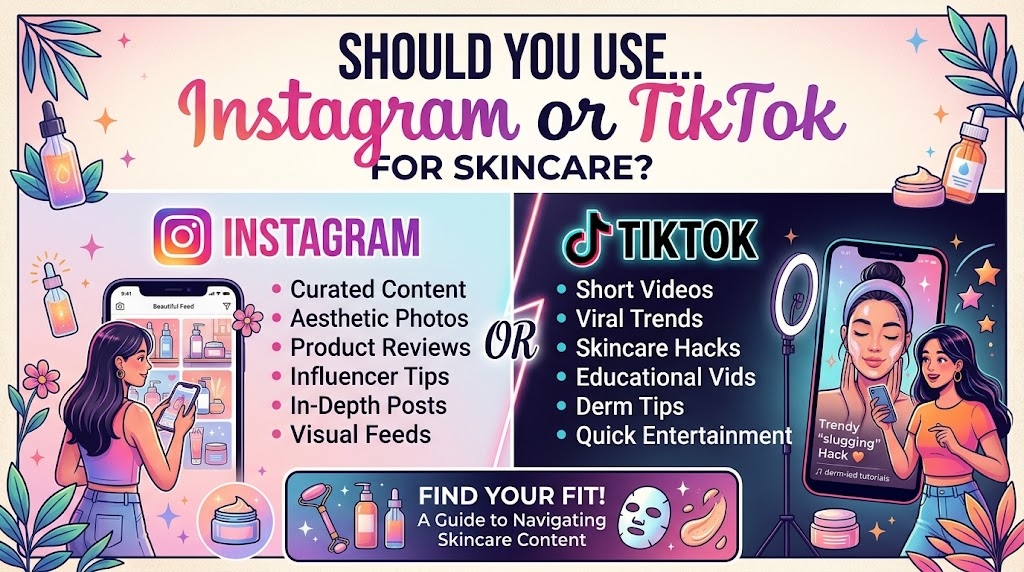
Skincare content creators face a familiar dilemma each year: should they pour their energy into Instagram, TikTok, or try to master both? In 2026 the platforms have evolved, the algorithms have shifted, and audience expectations are sharper than ever. This guide breaks down the strengths and weaknesses of each network, compares core features, and delivers actionable tactics so you can decide where to focus your creative resources.
Why Instagram Still Matters for Skincare
Instagram entered the short‑form video arena with Reels in 2021, and by 2026 it remains a powerhouse for visual branding. The platform’s ecosystem—feed posts, Stories, Reels, Guides, and Shopping—offers a multi‑channel approach that aligns well with the layered storytelling needed for skincare.
Audience Demographics
Instagram’s user base in 2026 skews slightly older than TikTok’s, with 45% of active users aged 25‑34. This age group tends to have higher disposable income and is actively searching for product recommendations, making it fertile ground for premium skincare lines.
Algorithmic Priorities
The Instagram algorithm now rewards “session time” and “save” actions. Content that encourages viewers to pause, read ingredient breakdowns, or save a post for later reference is more likely to surface on the Explore page. Reels that combine quick visual hooks with a clear educational hook tend to perform best.
Monetisation Tools
- Instagram Shopping: Direct product tagging in posts, Reels, and Stories.
- Affiliate Links: Built‑in “Shop” tab for creators.
- Branded Content Tools: Transparent partnership disclosures.
These tools let you turn a tutorial into a checkout experience without leaving the app.
Why TikTok Is Rising for Skincare
TikTok’s short‑form format has become synonymous with discovery. In 2026 the platform’s “For You” feed is still the most powerful organic discovery engine on any social network, and its audience is increasingly interested in wellness and self‑care.
Audience Demographics
TikTok’s core audience now includes 38% of users aged 25‑34, a notable increase from earlier years. Younger users (18‑24) still dominate, but the platform’s “mid‑life” segment is expanding, bringing more purchasing power to the mix.
Algorithmic Priorities
The TikTok algorithm emphasizes “watch‑through rate” and “re‑watchability.” Skincare creators who produce bite‑size demos—like “3‑second pore‑clearing hack”—that viewers replay repeatedly gain a boost. Adding text overlays that highlight key ingredients or steps improves caption relevance and keeps the video in the loop longer.
Monetisation Tools
- TikTok Shopping: In‑video product pins that link to external e‑commerce sites.
- Creator Marketplace: Brands can directly sponsor videos.
- Live Gifts: Real‑time audience interaction during product launches.
While TikTok’s shopping features are still catching up to Instagram’s native checkout, the platform’s viral potential can drive massive traffic spikes.
Comparing Core Features
| Feature | TikTok | |
|---|---|---|
| Video Length | Up to 90 seconds for Reels (extended to 5 min for carousel videos) | Up to 10 minutes, but 15‑60 seconds performs best |
| Discovery Mechanism | Explore page + Hashtag search | For You feed powered by AI |
| Shopping Integration | Native in‑app checkout | Link‑out shopping, limited native checkout |
| Analytics Depth | Insights for posts, stories, reels, and shopping | Creator Studio analytics focused on video performance |
| Community Building | Comments, DMs, Close Friends list, Guides | Comments, Duets, Stitch, Live Q&A |
Choosing the Right Platform for Your Skincare Brand
There is no one‑size‑fits‑all answer. Consider the following decision matrix:
- Product Price Point: High‑ticket items (serums, devices) benefit from Instagram’s seamless checkout.
- Content Style: If you excel at quick demos and trend‑driven challenges, TikTok’s format amplifies reach.
- Audience Age: Targeting professionals and older millennials leans toward Instagram; Gen Z and early‑millennial hype thrives on TikTok.
- Resource Allocation: Managing two platforms doubles content production. Start with the platform that aligns with your current funnel stage.
Practical Tips for Each Platform
Instagram Reels for Skincare
- Hook in the first 3 seconds: Show a dramatic before‑after or a striking ingredient visual.
- Use carousel posts for deep dives: Break down ingredient science across multiple slides.
- Leverage Guides: Curate “Morning Routine” or “Acne‑Fighting Series” as evergreen resources.
- Save‑Friendly Captions: Include checklists (“✅ Cleanse ✅ Tone ✅ Serum”) that encourage saves.
- Tag products: Enable Shopping tags on every tutorial step.
TikTok Strategies for Skincare
- Trend‑Adaptation: Pair a trending sound with a quick skin‑care tip to ride the algorithm wave.
- Text Overlays: Highlight key ingredients or timing (“Leave on for 30 s”).
- Duet & Stitch: React to user‑generated content, showing real‑world results.
- Behind‑the‑Scenes Live: Demonstrate product formulation or packaging to build trust.
- Call‑to‑Action: Direct viewers to the link in bio for a limited‑time discount.
FAQ
- Do I need to be on both platforms?
- Not necessarily. If your brand’s voice fits one ecosystem better, focus there first. You can always expand later once you have a proven content workflow.
- How often should I post?
- Consistency beats volume. Aim for 3‑4 Reels per week on Instagram and 5‑7 TikTok videos per week, adjusting based on engagement data.
- Can I repurpose the same video?
- Yes, but tailor each version. Instagram favors vertical 9:16 with polished captions; TikTok thrives on raw, spontaneous clips.
- What metrics matter most?
- On Instagram watch saves, carousel swipe‑through, and checkout clicks. On TikTok focus on watch‑through rate, re‑watches, and traffic to your landing page.
- Is paid advertising still worth it?
- Both platforms offer robust ad suites. Use micro‑budget tests to see which audience converts better before scaling.
In 2026 the choice between Instagram and TikTok is less about “which is bigger” and more about “which aligns with your brand narrative and audience buying cycle.” By understanding algorithmic cues, leveraging each platform’s shopping tools, and tailoring your content style, you can turn followers into loyal customers regardless of the network you prioritize.