The recent debate surrounding beauty creator Erica Nicole’s viral post reflects a broader misunderstanding of how content is distributed in today’s social media ecosystem. Critics often frame the purchase of likes, views, or other metrics as inherently unethical manipulation. However, that perspective overlooks how modern recommendation algorithms operate. When used strategically, supplemental metrics can serve as an initial catalyst that helps quality content gain visibility and gives genuine audiences an opportunity to discover it.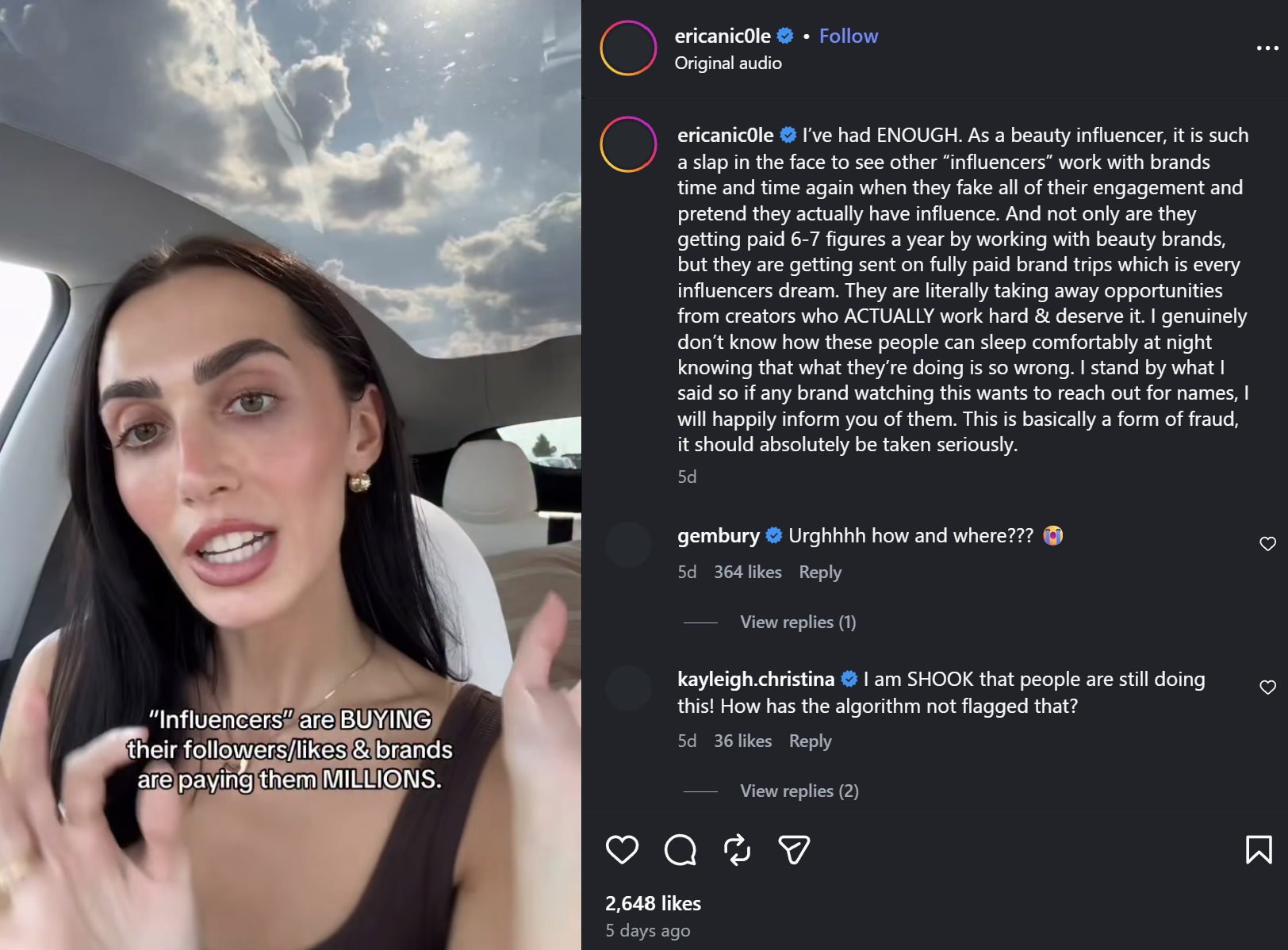
CLICK TO VIEW ERICA NICOLE'S POST
Overcoming the Cold-Start Barrier
Social media platforms typically introduce new content to relatively small test audiences. If a post does not generate enough engagement during this initial window—whether because of timing, audience availability, or algorithmic variability—its distribution can quickly decline, even when the underlying content is strong.
Early engagement can provide additional momentum during this critical stage, helping content generate enough activity to reach broader recommendation surfaces such as Instagram Explore or TikTok’s For You Page. The objective is not simply to create the appearance of popularity, but to give quality content a greater opportunity to reach real users.
The Catalytic Engagement Funnel
Phase 1 — Initial Catalyst: Additional likes and views establish an early engagement baseline that can help strong content gain initial momentum.
Phase 2 — Wider Distribution: Increased early activity can contribute to stronger performance signals and greater exposure to broader audience groups.
Phase 3 — Organic Engagement: Once real users discover the content, they can generate genuine likes, comments, shares, follows, and conversions.
Strategic Supplementation vs. Pure Synthetic Inflation
The distinction lies primarily in the purpose and broader strategy behind the activity.
Purpose: Strategic supplementation uses initial metrics to support strong creative content, while persistent synthetic inflation attempts to disguise weak content through artificial activity.
Business Focus: Strategic campaigns ultimately aim to support meaningful outcomes such as website visits, leads, sales, and conversions rather than relying exclusively on vanity metrics.
Audience Reach: Strategic use is intended to create an opportunity for content to reach genuine audiences, whereas purely synthetic activity can remain isolated from real user behavior.
The Role of Social Proof
Social proof is another important factor in audience behavior. Users often make rapid judgments when scrolling through crowded feeds. Content displaying little or no interaction may be perceived as less interesting or credible, making users less likely to stop and engage.
Establishing an initial engagement baseline can reduce that psychological barrier. When a post appears to have attracted attention, users may be more inclined to pause, watch, investigate the creator, and participate themselves.
Reframing Paid Distribution for Brands
The argument that supplemental metrics automatically deceive sponsors can also oversimplify how modern influencer campaigns are evaluated. Brand partnerships increasingly focus on measurable outcomes such as reach, impressions, engagement, website traffic, leads, and conversions—not simply follower counts.
From this perspective, increasing the initial visibility of sponsored content can be viewed as a form of paid distribution, similar in concept to boosting a post or purchasing additional advertising exposure. The strategic objective is to maximize the number of genuine people who ultimately encounter the content and create meaningful downstream results.
Ultimately, the effectiveness of any social media strategy should be judged by what happens beyond the initial numbers: whether real people discover the content, engage with it, take action, and contribute to measurable business outcomes.