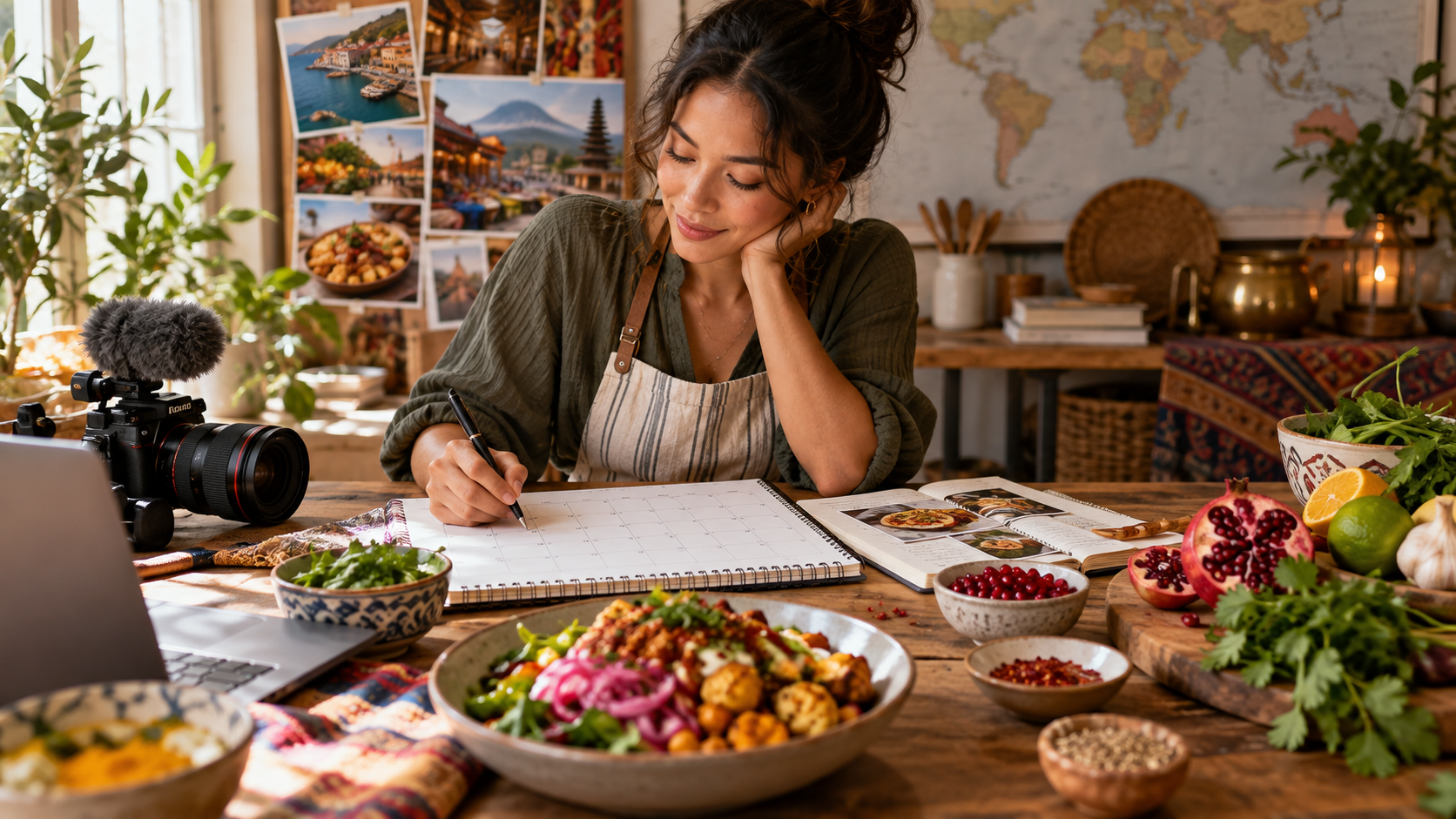
Independent food creators thrive when their content aligns with the rhythms of the places they serve. A well‑researched regional food calendar lets you showcase authentic dishes, honor local celebrations, and keep your audience engaged throughout the year. This guide walks you through the research, verification, and planning steps needed to build a 2026 calendar that respects cultural context and avoids generic shortcuts.
1. Start with the Geography of Your Audience
Before you look at seasons, define the geographic scope of your content. Are you focusing on a single city, a province, a cultural region, or a cross‑border area? Create a simple map or spreadsheet column titled Region and list the primary administrative units you will cover.
Why geography matters
- Climatic patterns differ dramatically even within a single country.
- Local holidays, market days, and harvest periods are tied to specific ecosystems.
- Audience expectations around authenticity are higher when you reference the exact place.
2. Research Local Seasons and Climate Windows
Use reliable sources such as national meteorological agencies, agricultural extension services, and university research portals. Record the following for each region:
- Spring planting window (e.g., March – May in the Mid‑Atlantic United States)
- Summer harvest window (e.g., June – August for corn in the Midwest)
- Autumn harvest window (e.g., September – October for apples in the Pacific Northwest)
- Winter dormant period (e.g., November – February for most temperate zones)
Note that tropical regions may have wet and dry seasons instead of the four temperate seasons. Capture those patterns in separate rows so the calendar reflects true local availability.
3. Identify Authentic Food Occasions
Food occasions include festivals, market days, religious observances, and harvest celebrations that feature specific ingredients or dishes. Follow these steps:
- Search official tourism board calendars for each region.
- Check cultural heritage websites for traditional festivals and confirm the date with a local organiser.
- Consult local chefs, food historians, or community groups for lesser-known local events.
- Record the exact date or rule (e.g., “fourth Thursday of November” for U.S. Thanksgiving) and the typical foods highlighted.
Do not assume that a holiday celebrated in one country appears elsewhere. For instance, the Mid‑Autumn Festival is observed in China, Vietnam, and Taiwan, but not in most European nations.
4. Verify Dates and Cultural Context
Cross‑check each entry with at least two independent sources. Government calendars, UNESCO heritage listings, and reputable news outlets are good anchors. When an event follows a lunar calendar, use a conversion tool to note the Gregorian dates for 2026.
Document regional variations. Similar names can refer to different customs, dates, and dishes, so verify each place separately.
5. Build the Calendar Framework
Using a spreadsheet, create columns for:
- Month
- Region
- Seasonal ingredient focus
- Food occasion (name, date, brief description)
- Suggested recipe type (starter, main, dessert)
- Content format (video, blog post, carousel)
Populate the rows with the data gathered in steps 2‑4. This matrix becomes your master planning tool.
6. Simple Planning Workflow
Follow this repeatable loop each quarter:
- Review upcoming months in the master matrix.
- Confirm ingredient availability by contacting local farmers or market managers.
- Draft content outlines (headline, key steps, cultural notes).
- Schedule production – allocate filming, photography, and editing days.
- Publish and monitor audience response, then note any feedback about cultural accuracy.
Keep a separate “Feedback” tab to capture corrections from community members. Updating the calendar annually is essential because climate patterns and festival dates can shift.
7. Frequently Asked Questions
Do I need to include every single local holiday?
No. Focus on occasions that have a clear culinary component and align with your niche. Overloading the calendar can dilute the impact of each piece.
How can I verify a festival’s date if it follows a lunar calendar?
Check the official festival website or a trusted calendar for its Gregorian date, and confirm local observance with the organizer.
What if my audience spans multiple climate zones?
Segment your calendar by region and create separate content series for each. Clearly label each piece with the geographic focus so followers can find the most relevant recipes.
Is it okay to adapt a traditional dish?
Adaptation is fine when you acknowledge the source and avoid misrepresentation. Include a brief note about the original version and explain why you made specific changes (e.g., ingredient substitution due to availability).
8. Final Checklist Before Publishing
- All dates cross‑checked with at least two reliable sources.
- Ingredient availability confirmed for the target year.
- Cultural notes reviewed by a native speaker or community representative.
- Image assets created or licensed for publication, with appropriate credits.
- SEO fields (title, meta description, keywords) reflect the regional focus and 2026 context.
By following this structured approach, independent food creators can produce content that feels both timely and deeply rooted in the places they celebrate.
Conclusion
A regional food content calendar is more than a schedule; it is a commitment to cultural respect, culinary accuracy, and audience relevance. Use the workflow outlined here to research, verify, and plan your 2026 seasonal recipes without resorting to generic shortcuts. Your audience will notice the difference, and your brand will build lasting trust.